

The four general types have different styles.
In Greek myth, Dionysus was the god of inspiration and freedom, while Apollo was about balance and harmony. On the job, Wolves and Foxes are Dionysian—they like inspiration and freedom. Hawks and Doves are Apollonian—they prize balance and harmony.
| Wolves & Foxes: Dionysian | Hawks & Doves: Apollonian |
| Wolves and Foxes are Dionysian, so at work they like flexiblility and freedom. | Hawks and Doves are Apollonian, so at work they like clarity and structure. |
| When there are problems, Wolves and Foxes tend to want to change things so they work better in the future. | When there are problems, Hawks and Doves tend to want to correct things so they work as they did in the past. |
| They’d like everyone to remember that they’re naturally sociable. Freedom and social interaction are their priorities. | They’d like everyone to remember that they’re naturally reserved. Structure and consistency are their priorities. |
| They do best in growth-oriented organizations such as small business, innovative schools, growing companies. | They prefer to work in established organizations such as government agencies, nonprofits, large corporations. |
The eight natural talents fill different roles.
Just as people of the four general types have different work styles, people of the eight natural talents are suited to different work roles:
| Leaders | People of Fighting and Hunting types are Leaders. Fighting types manage groups and make decisions for them, while Hunting types are the go-to pathfinders and achievers. At work, they want the authority to make things happen. |
| Facilitators | People of Dancing and Singing types are Facilitators. Dancing types energize people and connect them with each other, while Singing types build consensus and foster harmony. At work, they want duties that involve engaging with others. |
| Makers | People of Painting and Crafting types are Makers. Painting types produce creative works of sight and sound, while Crafting types create tangible things of practical use. At work, they want adequate resources, and time/space to work. |
| Supporters | People of Gathering and Tending types are Supporters. Gathering types organize day-to-day tasks within an organization, while Tending types take care of its people. At work, they want everyone to be committed to the group. |
Specific roles are filled by certain types.
People of each type are best-suited to fill a specific organizational role:
| Leadership Role | Specific Type |
| Initiator | Fighting Wolf (Chief) |

The Initiator role comes naturally to the Fighting Wolf Chief, a Dionysian Leader. It’s the role for a leader who wants to create new products, provide new services, introduce new systems. Apple founder Steve Jobs is an example.
The Initiator is a charismatic leader. In business-speak, he’s a “change agent.” He can lead people in new directions. He’s not afraid to make mistakes, because he learns from them and improves.
A particularly intense Initiator can be difficult to deal with, but he can also master difficult situations. Instead of building consensus, the Initiator takes charge, and this enables him to build new organizations or turn old ones around.
| Leadership Role | Specific Type |
| Administrator | Fighting Hawk |
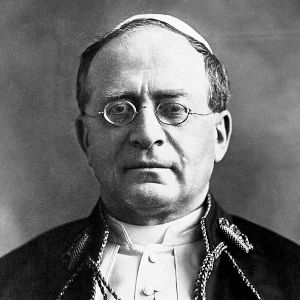
The Fighting Hawk, an Apollonian Leader, serves well in the Administrator role. It’s the role for a steady leader in an established organization. Pope Pius XI, Supreme Pontiff between the world wars, is a good example.
The Administrator provides structure and consistency, creating an atmosphere in which people feel secure. With his support and guidance, people develop their skills and do their jobs well.
The Administrator inspires confidence in his subordinates, and wins the respect of his peers. Things tend to run smoothly when he’s around. Rules are followed, custom and tradition are observed, and everyone feels free to contribute.
| Leadership Role | Specific Types |
| Manager | Fighting Wolf Hunting Fox (Doyenne) |
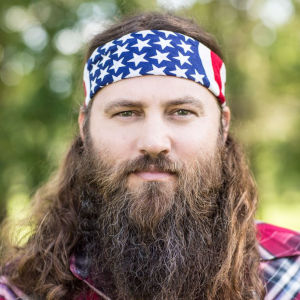
The Fighting Wolf and Hunting Fox Doyenne are Dionysian Leaders who are good in the Manager role. They organize groups of people, and get the group’s members working to achieve a common goal. Willie Robertson, CEO of Duck Commander, is an example.
The Manager knows the ropes. He/she knows what needs to be done because they’ve done it before. They usually have recognized authority because others respect their knowledge and experience.
The Manager is team-oriented. He/she has been involved in group efforts such as team sports, small business, dramatic productions, nonprofit projects, and corporate initiatives, so they know how groups work and how to manage them.
| Leadership Role | Specific Types |
| Advisor | Fighting Wolf (Mage) Dancing Fox (Oracle) |
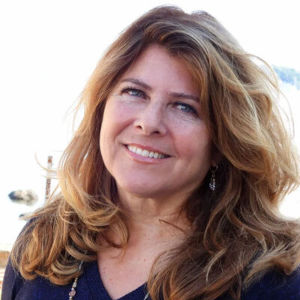
The Fighting Wolf Mage and Dancing Fox Oracle are Dionysians who serve in the Advisor role. They see patterns others don’t, so Leaders should seek their advice when making decisions and plans. Naomi Wolf, a presidential advisor, exemplifies this role.
The Advisor is not an authority figure. He/she should not have responsibilities that involve managing people, because he/she gathers information by moving freely within the organization.
The Advisor has uncommon intuition and insight. He/she can change the way people see themselves, the organization, and the world. When leaders ask for his/her take on things, they often get interesting observations, options, and possibilities.
| Leadership Role | Specific Type |
| Hunter | Hunting Hawk |
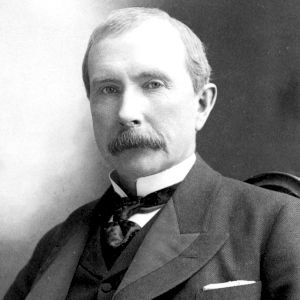
The Hunting Hawk is an Apollonian Leader who’s perfect for the Hunter role. This role involves strategic positioning, important dealmaking. Oil magnate John D. Rockefeller is an example.
The Hunter is focused on getting results. Observant, shrewd, and intent on achieving his goal, the Hunter is the shark lawyer who wins the important case, the top producer who closes the big sale.
The Hunter isn’t a “people person.” He’s not about winning people over, he’s about pouncing on opportunities. He looks for an advantage, an angle, some way to efficiently get the job done. Once he finds one, he moves decisively to make that happen.
| Leadership Role | Specific Type |
| Explorer | Hunting Wolf |
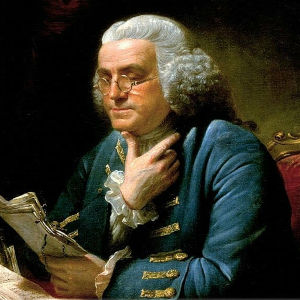
The Explorer role is perfect for the Hunting Wolf, a Dionysian Leader. It involves identifying opportunities, evaluating situations, forming new alliances. Founding Father Ben Franklin is an example.
The Explorer surveys the lay of the land. He examines the world outside the organization firsthand, making observations and contacts that help Initiators and Administrators chart its course.
The Explorer likes being out and about, seeing new places and meeting new people. The people he meets generally like him, because he’s diplomatic. He’s not a glad-hander, though, and will stand strong in situations that require fortitude.
| Facilitation Role | Specific Types |
| Connector | Dancing Wolf Dancing Fox |

With their infectious energy, the Dancing Wolf and Dancing Fox are well-suited to the Connector role. These Dionysian Facilitators can “dance” with others and bring them into the fold. Esther Perel, a psychotherapist and speaker, is an exemplary Connector.
The Connector is skilled in communication. He/she can teach classes, make presentations, give performances, and do anything else that involves connecting with an audience of one or many people.
The Connector is personally magnetic—people naturally gravitate to him/her. He/she can work interpersonal magic, creating new relationships between people. The highly-social Connector loves to make introductions, and serves as an organizational “matchmaker.”
| Facilitation Role | Specific Types |
| Mediator | Singing Wolf Singing Fox |
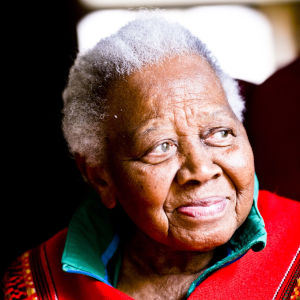
The Singing Wolf and Singing Fox are Dionysian Facilitators with a talent for creating harmony. This makes them well-suited for the Mediator role, which is about maintaining good relationships among people. Music educator Ella Jenkins is an example.
The Mediator is an excellent go-between. He/she promotes concord and understanding, and serves as a bridge between different types of people. He/she works to get them “singing the same tune.”
The Mediator often advocates for others. If there are people in a group being misunderstood, he/she will come to their aid, and help the group to recognize their value. If there’s a conflict brewing within a group, he/she will notice it, then work with a leader to defuse it.
| Maker Role | Specific Types |
| Illustrator | Painting Wolf Painting Fox |
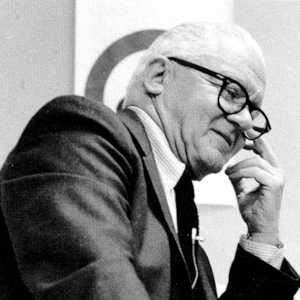
The Painting Wolf and Painting Fox are Dionysian Makers who take the Illustrator role. When an organization needs to convey ideas in words, or evoke feelings in pictures, it calls upon the Illustrator. Paul Rand, corporate art director, is an excellent example.
The Illustrator has rare and valuable skills. He/she can convey meaning through images and symbols. He/she can do things like distill the soul of an organization into a logo or marketing brief.
Basically, what the Illustrator does is create art or literature of practical value. He/she cares about creative expression, and knows that it’s important to an organization that must sell or persuade. That’s why he/she takes pride in making things look sharp, read well, etc.
| Maker Role | Specific Type |
| Engineer | Crafting Wolf |
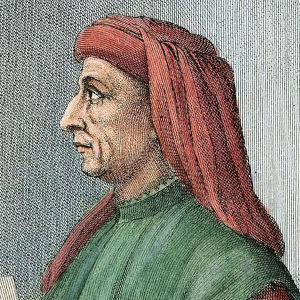
The Crafting Wolf is a Dionysian Maker who fills the Engineer role. In this role, he does what he loves: making or repairing useful things. Renaissance architect Filippo Brunelleschi is a historical example.
The Engineer takes pride in his craft. He wants more support than supervision, because he knows what he’s doing, and does it well. He’s a bit like an artist, so don’t interrupt him while he’s working.
The Engineer is resourceful. While he prefers to work on high-quality, functioning products and projects, he can make broken things and systems work in a pinch, cobbling together creative solutions that forestall disaster and save the day.
| Supporting Role | Specific Type |
| Curator | Gathering Dove |
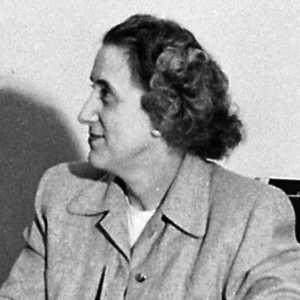
The Gathering Dove is an Apollonian Supporter who makes an excellent Curator. This role involves freeing up an Administrator to focus on important things, by managing the administrative details. Rose Conway, secretary for President Truman, is an example.
The Curator is well-organized, and keeps an office squared away. Information is organized, schedules are coordinated, and meetings are arranged, in a way that helps the organization run smoothly.
The Curator knows the score. Because she occupies a central place in the office, she’s aware of what happens behind the scenes within the organization. Because she’s quiet and discriminating, people trust her with confidential information.
| Supporting Role | Specific Type |
| Collector | Gathering Fox |
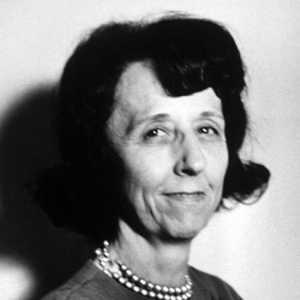
The Gathering Fox is a Dionysian Supporter who serves well in the Collector role. This role involves freeing up an Initiator to focus on important things, by managing the administrative details. Evelyn Lincoln, secretary for President Kennedy, is an example.
The Collector collects and organizes information that’s of use to the Initiator. Because she has a central role in the office, and people talk easily with her, she has her finger on the pulse of the organization.
Being a Fox, the Collector is socially-oriented, so her duties usually include arranging staff social functions. She’s friendly by nature, so her office or desk is often the office’s social center, where people gather to talk and find out what’s new.
Different Leaders need different Supporters.
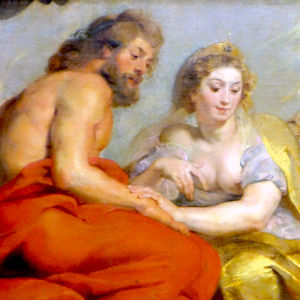
When it comes to Leader/Supporter combinations, wolves need ravens and bears need doves. For example:
- Wolf leaders need a Fox in the Collector role. President Kennedy’s secretary, a Gathering Fox, understood that his amorous nature was part of what made him a bold leader, so she facilitated his liaisons. A Gathering Dove would have refused.
- By the same token, Hawk leaders need a Dove in the Curator role. Foxes don’t do well there. President Truman’s secretary, a Gathering Dove, considered him a “perfect boss,” while a Gathering Fox would have found him dull and uninspiring.
Tending types are important Supporters.
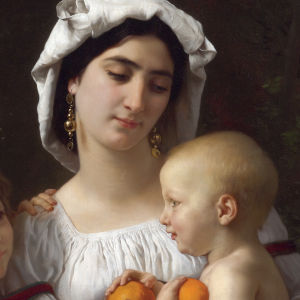
Tending Foxes and Doves are important to an organization, but not in commonly recognized ways. They’re important because of the care they provide, which may or may not be at work.
Sometimes they work at day care facilities, caring for the children of the organization’s employees. Sometimes they work in cafeterias, feeding and serving those employees. Ideally, though, they’re at home, providing those employees and their children with sustenance and love.
Some Leaders complement each other.
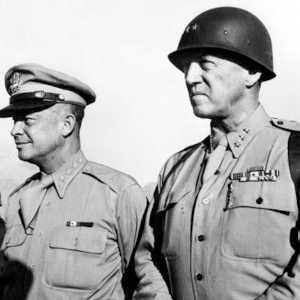
When Initiators and Administrators team up within an organization, they create a powerful combination.
They work like a bishop and rook on a chessboard: the Initiator moves in daring diagonals, while the Administrator moves at structured right angles. Each Leader covers the other’s blind spots, and complements the other’s strengths.
Generals George Patton and Dwight Eisenhower formed this sort of partnership during World War II. Patton was the aggressive Initiator leading from the front, while Eisenhower was the calculating Administrator coordinating things back at headquarters.
Some Leaders do not complement one another. Initiators compete with each other, so having two or more of them on the same leadership team in peer-level positions will result in power struggles. This happened with Generals Patton and Montgomery in WWII.
All Leaders should have an Advisor.
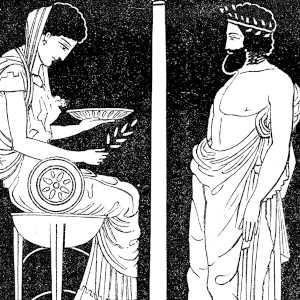
Leaders operate mostly from their Masculine, but a balance of Feminine and Masculine is key to running an organization well. Who can keep Leaders in touch with feminine sensitivity and flow? An Advisor.
Advisors can speak truth to Leaders in a way they’ll accept. The oracle at Delphi provides a good example. When she told King Philip of Macedon, “With silver spears you may conquer the world,” she phrased her astute advice in cryptic terms that he had to figure out, and thus make his own.
Fighting Wolf subtypes require strong guidance.
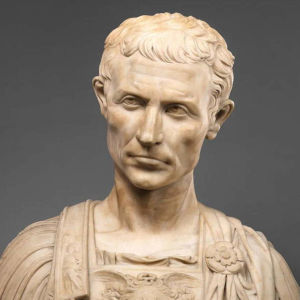
Fighting Wolf Chiefs and Mages combine a vigorous masculine spirit with heightened (for a man) feminine intuition. This mix of qualities makes them particularly powerful.
This power cuts both ways. They can be cruel and destructive, or charismatic and creative. They can create unnecessary chaos, or bring much-needed change. Julius Caesar provides an excellent example of this, because he did both.
To learn how to wield their power in a positive way, Fighting Wolf Chiefs and Mages need strong guidance from older, wiser men. They should have received this guidance when they were teenagers, but if they didn’t, good organizations pair them up with mentors.